
Introduction: Is Renewable Energy Really Reliable Without Advanced Power Conversion?
Renewable energy is no longer a future concept—it is today’s reality. Solar photovoltaic (PV) systems and wind turbines are being deployed at an unprecedented scale across industrial, commercial, and residential sectors.
But one fundamental question remains:
Can renewable energy systems operate efficiently and reliably without advanced power conversion and control?
The answer is no.
Renewable energy sources are inherently variable. Solar panels depend on sunlight, wind turbines rely on wind speed, and both generate unstable outputs. Without proper power conditioning, this energy cannot be safely integrated into electrical systems or the grid.
This is where DIN rail power supplies play a crucial role.
In this comprehensive guide, we will explore:
·Why DIN rail power supplies are indispensable in renewable energy systems
·How SIPURUI solutions improve system efficiency and stability
·What features matter most in real-world applications
·How future trends like AI and energy storage are reshaping power supply design
What Is a DIN Rail Power Supply—and Why Is It Used in Renewable Energy?
Why Not Use Standard Power Supplies?
At first glance, a power supply is just a device that converts electricity. However, renewable energy systems demand much more than simple conversion.
They require:
·Wide input voltage tolerance
·High efficiency under fluctuating loads
·Robust protection mechanisms
·Long-term reliability in harsh environments
DIN rail power supplies are specifically designed for these challenges.
What Makes DIN Rail Power Supplies Different?
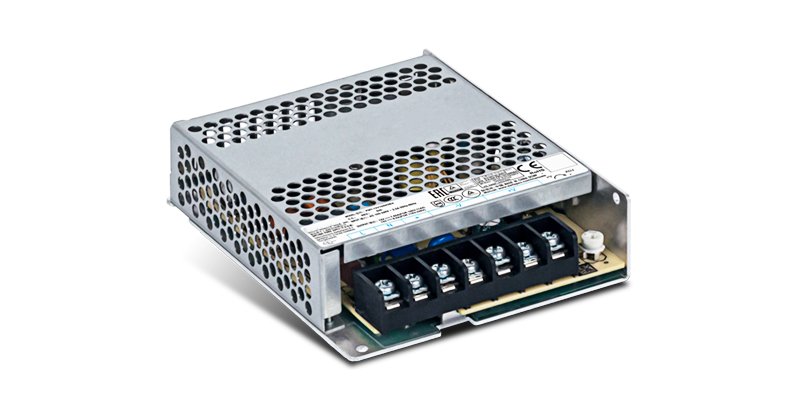
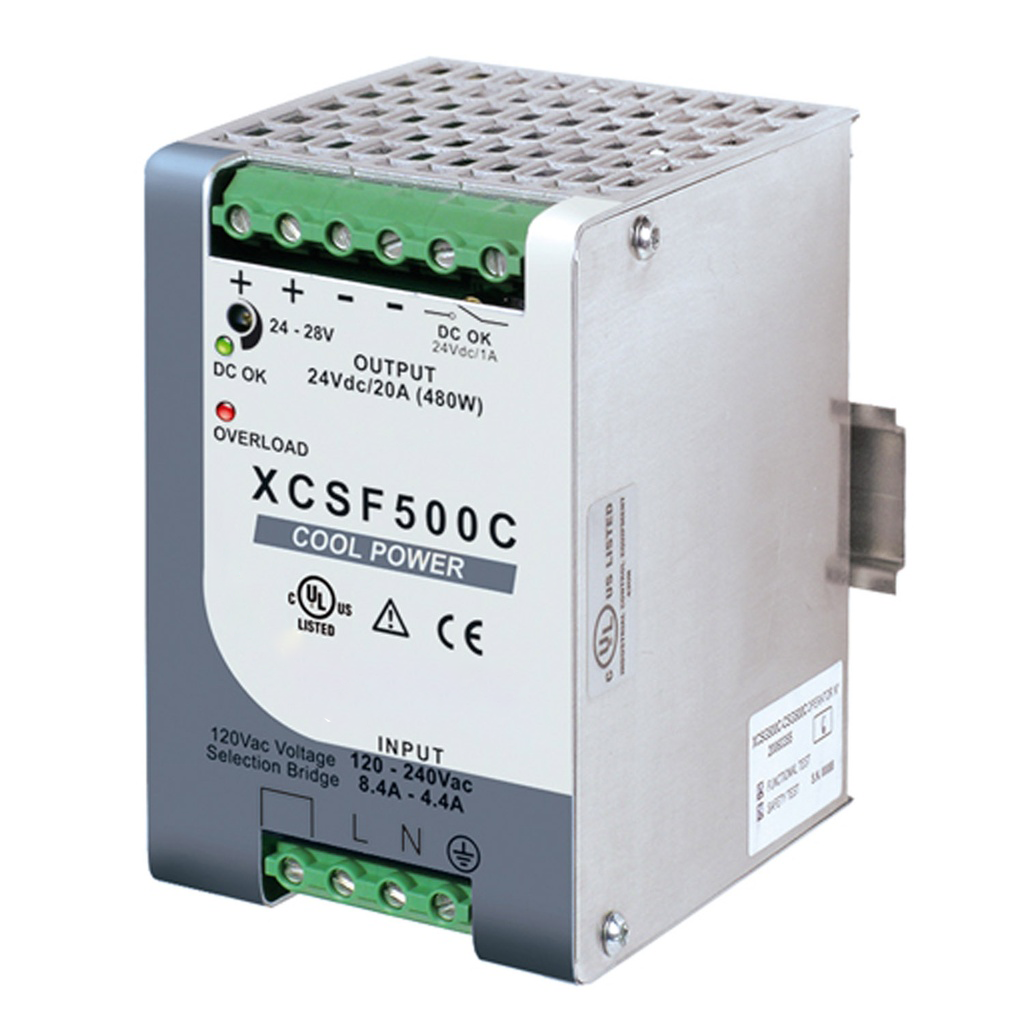
DIN rail power supplies are:
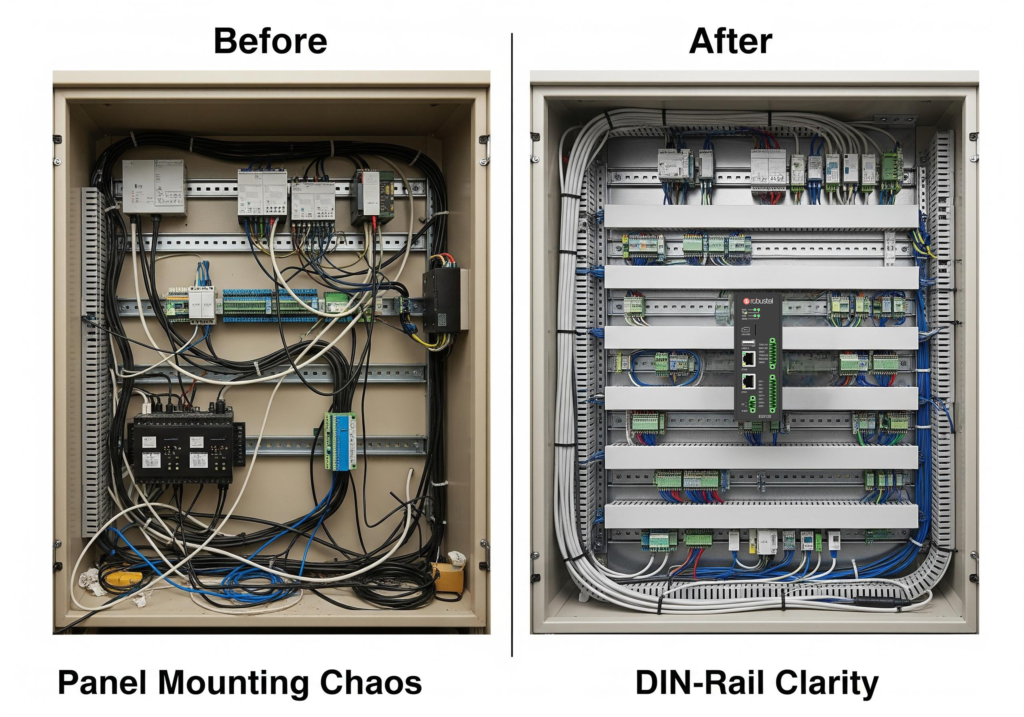
·Mounted on standardized DIN rails for easy integration
·Designed for industrial environments
·Built with high reliability and safety standards
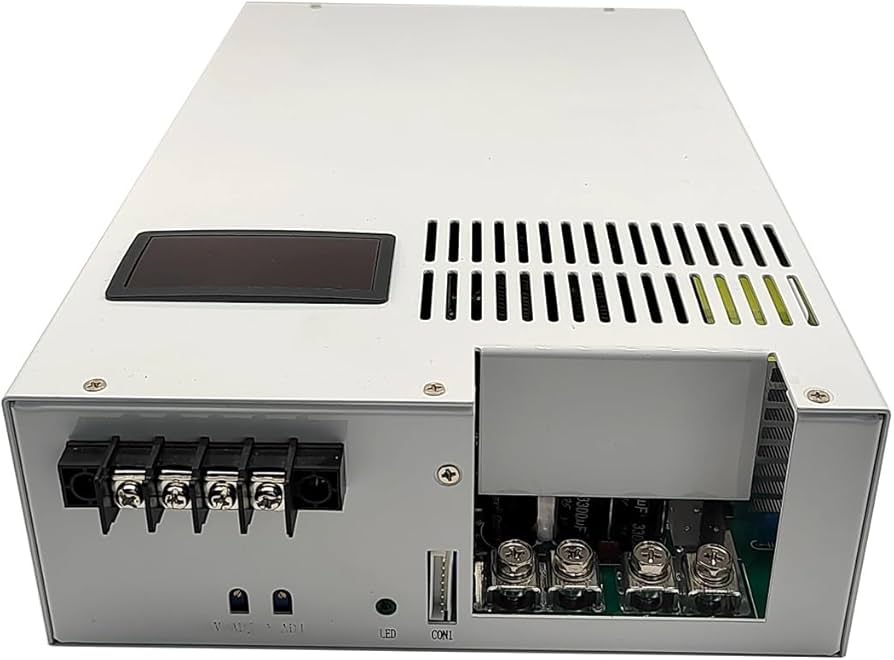
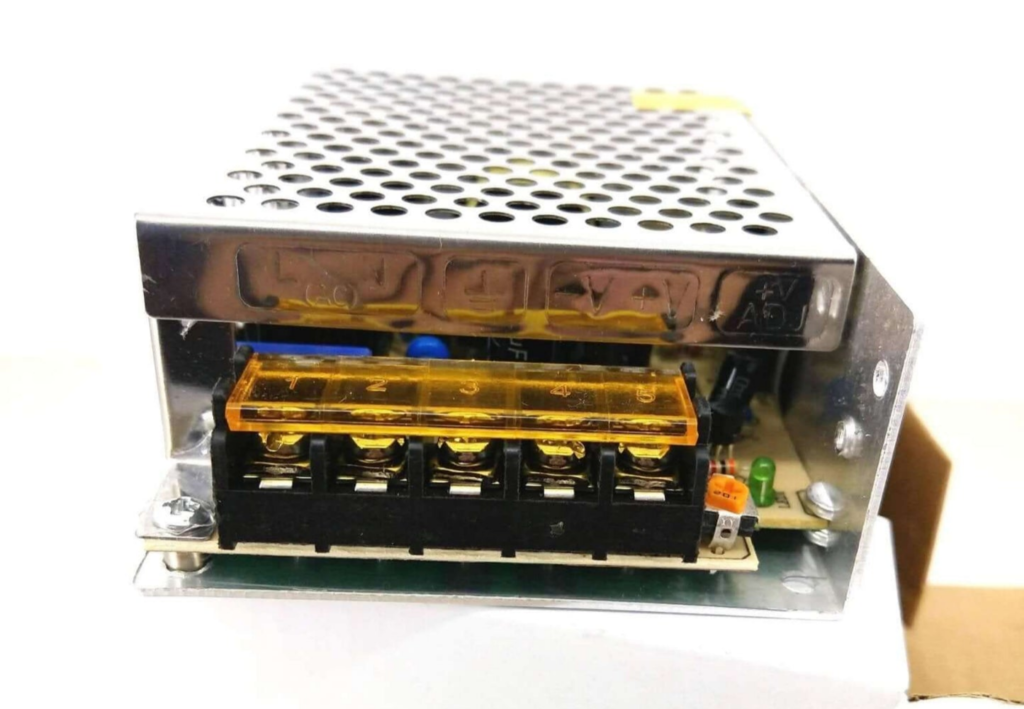
SIPURUI DIN rail power supplies are engineered with:
·Wide input range (85–305VAC / DC compatibility)
·High efficiency up to 94%
·Compact housing for control cabinets
·Full protection (OVP, OCP, OTP, SCP)
How Do DIN Rail Power Supplies Improve Solar PV System Performance?
Can Solar Panels Operate Efficiently Without MPPT?
Solar panels have a nonlinear output characteristic. Their optimal operating point—the Maximum Power Point (MPP)—changes constantly.
Without MPPT:
·Energy losses can exceed 20–30%
·Output becomes unstable
·System ROI decreases significantly
SIPURUI DIN rail power supplies integrate advanced MPPT-compatible designs, enabling:
·Real-time voltage adjustment
·Maximum energy extraction
·Improved system responsiveness
Solar Energy Utilization Efficiency Comparison
| Parameter | Without Advanced Control | With SIPURUI Solution |
| Energy Conversion Rate | 70–80% | 92–98% |
| Output Stability | Low | High |
| Adaptation to Weather | Poor | Excellent |
| Long-Term ROI | Medium | High |
How Important Is Conversion Efficiency?
Efficiency directly impacts profitability and sustainability.
SIPURUI DIN rail power supplies feature:
·High-frequency switching topology
·Low standby power (<0.5W)
·Advanced thermal management
This results in:
·Less heat generation
·Lower cooling requirements
·Increased lifespan of system components
How Do DIN Rail Power Supplies Support Wind Energy Systems?
Why Is Grid Synchronization So Challenging?
Wind turbines produce variable frequency and voltage outputs. To connect to the grid, these must be stabilized and synchronized.
SIPURUI DIN rail power supplies act as:
·Control power sources for turbine systems
·Interface units between controllers and grid
·Stabilizers for auxiliary systems
What Role Does Reactive Power Play?
Reactive power is essential for maintaining voltage stability in AC systems.
Without compensation:
·Voltage fluctuations occur
·Transmission efficiency decreases
·Grid instability increases
SIPURUI solutions support:
·Dynamic reactive power adjustment
·Power factor correction up to 0.99
·Harmonic reduction
Grid Stability Performance Comparison
| Feature | Standard Power Supply | SIPURUI Industrial Model |
| Power Factor | 0.85–0.90 | 0.98–0.99 |
| Harmonic Distortion | High | Low |
| Voltage Stability | Moderate | High |
| Grid Compatibility | Limited | Excellent |
What Makes SIPURUI DIN Rail Power Supplies a Reliable Choice?
Are All Industrial Power Supplies Equal?
Not all DIN rail power supplies are built for renewable energy.
SIPURUI focuses on:
·High-reliability industrial design
·Long lifecycle components
·Compliance with international standards
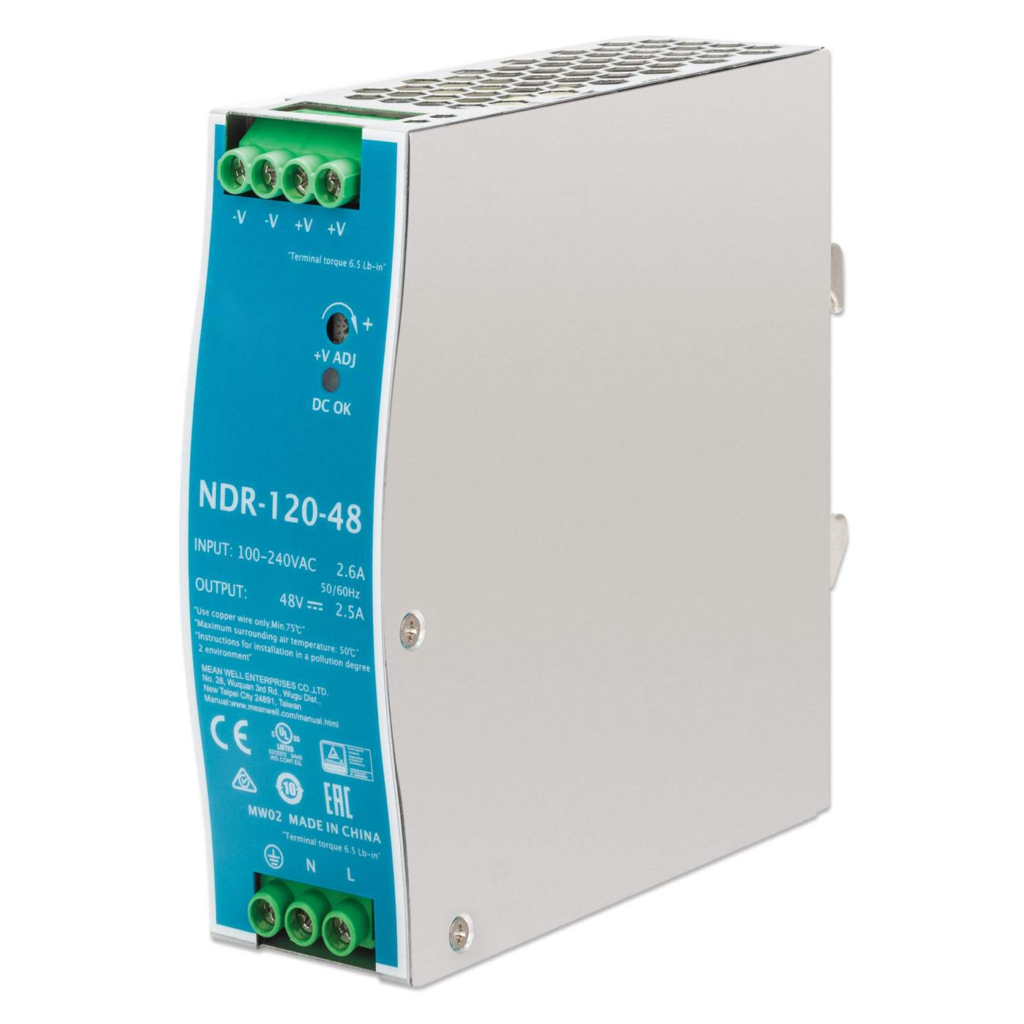
Key SIPURUI Product Series
SDR Series (High Performance)
·Output: 75W–480W
·Efficiency: up to 94%
·Ideal for: solar systems, automation, energy control
HDR Series (Compact Design)
·Output: 15W–150W
·Slim profile
·Ideal for: distributed systems, small control panels
MDR Series (Cost-Effective)
·Output: 10W–100W
·Reliable and economical
·Ideal for: general industrial use
SIPURUI Product Selection Guide
| Series | Power Range | Efficiency | Key Advantage | Recommended Use Case |
| SDR | 75–480W | Up to 94% | High performance | Solar & wind systems |
| HDR | 15–150W | Up to 91% | Ultra-slim design | Compact installations |
| MDR | 10–100W | Up to 89% | Cost-effective | Basic industrial control |
How Do DIN Rail Power Supplies Ensure Long-Term Reliability?
Can They Handle Extreme Environments?
Renewable energy systems are often installed outdoors or in harsh industrial conditions.
SIPURUI power supplies are designed for:
·Temperature range: -30°C to +70°C
·High humidity resistance
·Dust and vibration tolerance
What Protection Features Are Critical?
Key protections include:
·Overvoltage protection (OVP)
·Overcurrent protection (OCP)
·Overtemperature protection (OTP)
·Short circuit protection (SCP)
These features ensure:
·System safety
·Reduced downtime
·Lower maintenance costs
How Are DIN Rail Power Supplies Evolving with Future Energy Trends?
Will Energy Storage Change Power Supply Requirements?
Absolutely.
Energy storage systems require:
·Stable charging voltage
·Intelligent energy flow control
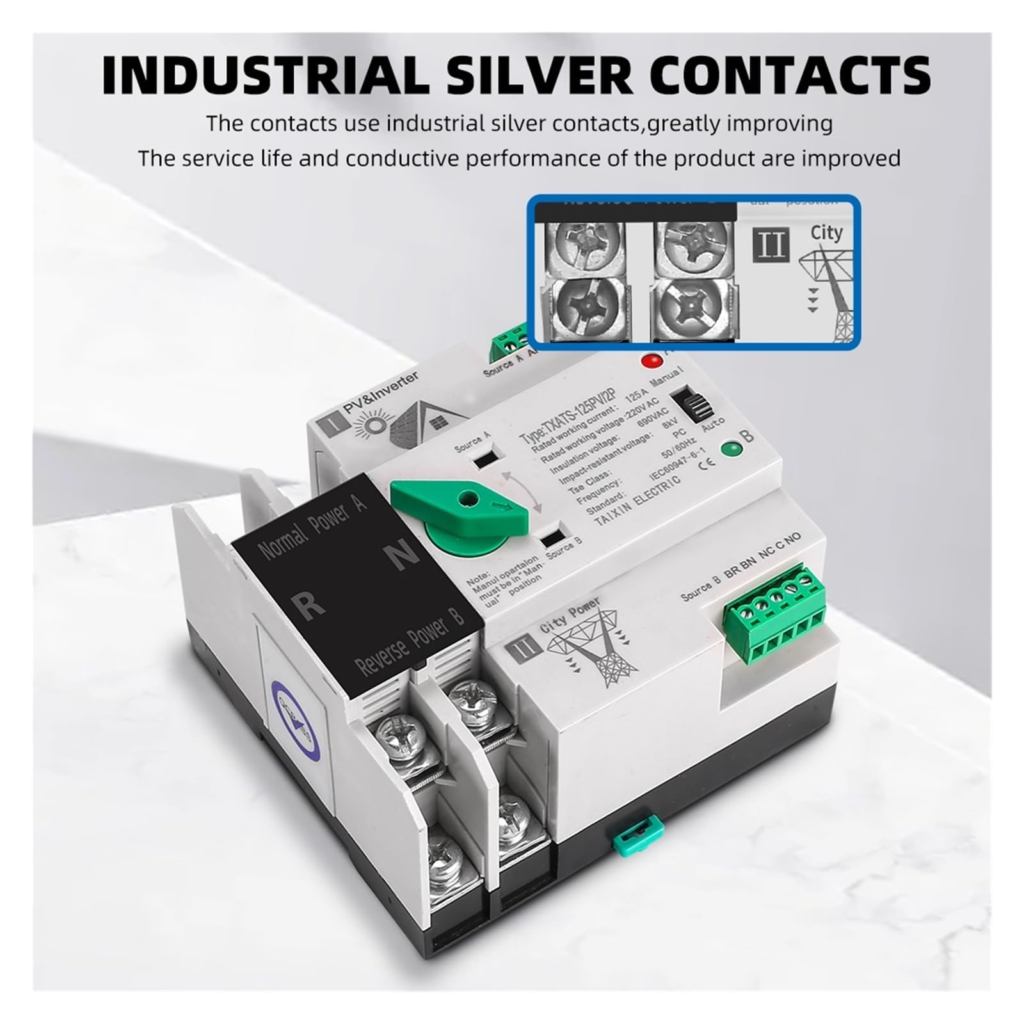
·Seamless switching between sources
DIN rail power supplies are increasingly integrated into:
·Battery management systems (BMS)
·Hybrid energy systems
·Backup power infrastructures
Are Microgrids the Future?
Microgrids allow localized energy independence.
SIPURUI power supplies support:
·Decentralized energy systems
·Off-grid applications
·Emergency backup systems
How Will AI Impact Power Supplies?
AI enables:
·Predictive maintenance
·Load forecasting
·Real-time optimization
Future SIPURUI designs will integrate with:
·Smart controllers
·IoT platforms
·Energy management systems
How to Select the Right DIN Rail Power Supply for Your Application?
What Questions Should Engineers Ask?
Before choosing a power supply:
·What is the input voltage variability?
·What output stability is required?
·What environmental conditions exist?
·What certifications are needed?
What Happens If You Choose the Wrong Power Supply?
·Reduced efficiency
·Frequent system failures
·Higher maintenance costs
·Lower ROI
Selecting the right product is not optional—it is critical.

Conclusion: Are DIN Rail Power Supplies the Backbone of Modern Renewable Energy Systems?
The transition to renewable energy is not just about generating clean power—it is about delivering it efficiently, reliably, and intelligently.
DIN rail power supplies, especially high-performance solutions from SIPURUI, play a central role in:
·Maximizing energy conversion efficiency
·Ensuring grid stability
·Supporting next-generation energy systems
As renewable technologies continue to evolve, one fact remains clear:
Without reliable power conversion, renewable energy cannot reach its full potential.