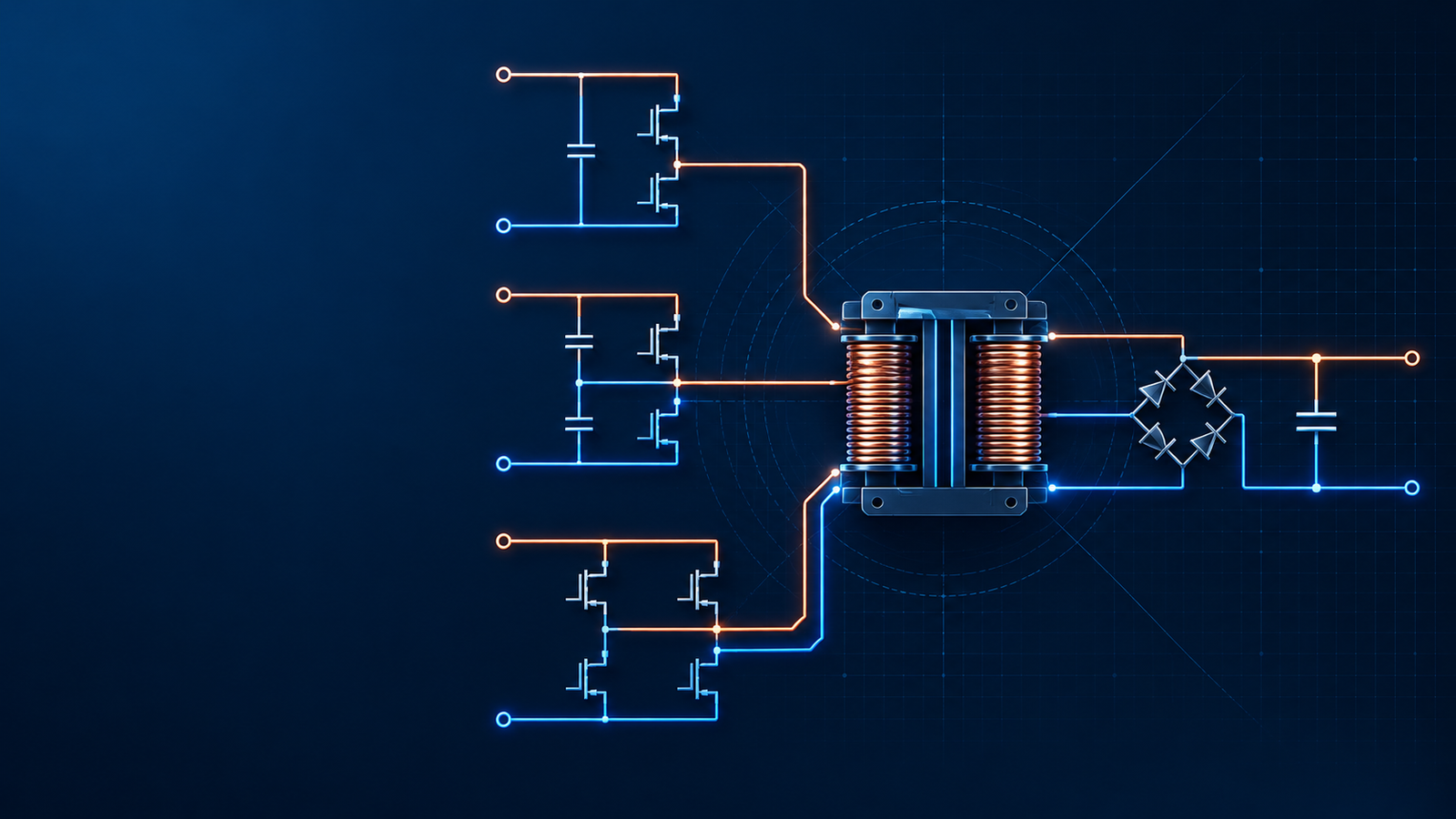
Compare switching, module, and LED power supplies, and learn how conversion architecture, thermal design, transient response, and protection affect system reliability.
Overview
Processors, controllers, sensors, and communication interfaces receive most of the attention in an electronic system. The power stage usually does not. Yet a machine can have sound control logic and still reset during a motor start, corrupt an analog reading, overheat inside a cabinet, or fail early because its supply was selected only by voltage and wattage.
Switching power supplies, power modules, and LED power supplies are often discussed as if they were three competing product families. They are not. A switching supply describes a conversion method. A module describes how a converter is packaged and integrated. An LED supply describes the load and application it serves. That distinction gives engineers and buyers a much cleaner way to compare products.
Start with the system power path
A useful selection exercise begins at the source and follows energy to the load. An AC/DC supply converts mains input into a regulated DC bus. A DC/DC converter then creates another DC rail, provides isolation, or regulates a battery-fed bus. In an LED installation, a constant-voltage source may establish a 12 V, 24 V, 36 V, or 48 V bus while current regulation is handled within each luminaire or LED module.
This power path is more important than the label on the enclosure. It reveals where isolation is required, which wiring carries high current, where voltage drop will occur, and which stage must respond to a load transient.
| Product term | What it describes | Common examples | Main system question |
|---|---|---|---|
| Switching power supply | The method used to convert and regulate electrical energy | Enclosed AC/DC supply, open-frame SMPS, buck or boost converter | Does the conversion stage remain stable, efficient, and compliant across the real operating range? |
| Power module | A packaged functional block for direct integration | Encapsulated DC/DC brick, PCB-mount AC/DC module, isolated converter | Does the module reduce design risk without creating thermal, layout, or interface problems? |
| LED power supply | A supply designed around lighting loads and installation conditions | Constant-voltage LED supply, constant-current driver, dimmable driver | Does the electrical output match the LED architecture, wiring length, dimming method, and environment? |
Switching power supplies set the electrical baseline
A switch-mode power supply regulates energy by rapidly switching semiconductor devices and transferring energy through inductors or transformers. Compared with a linear regulator, this approach can deliver higher efficiency and power density over a wider input range. Those advantages come with engineering work: high di/dt loops, high dv/dt nodes, magnetic components, control-loop compensation, conducted emissions, and radiated emissions all need attention.
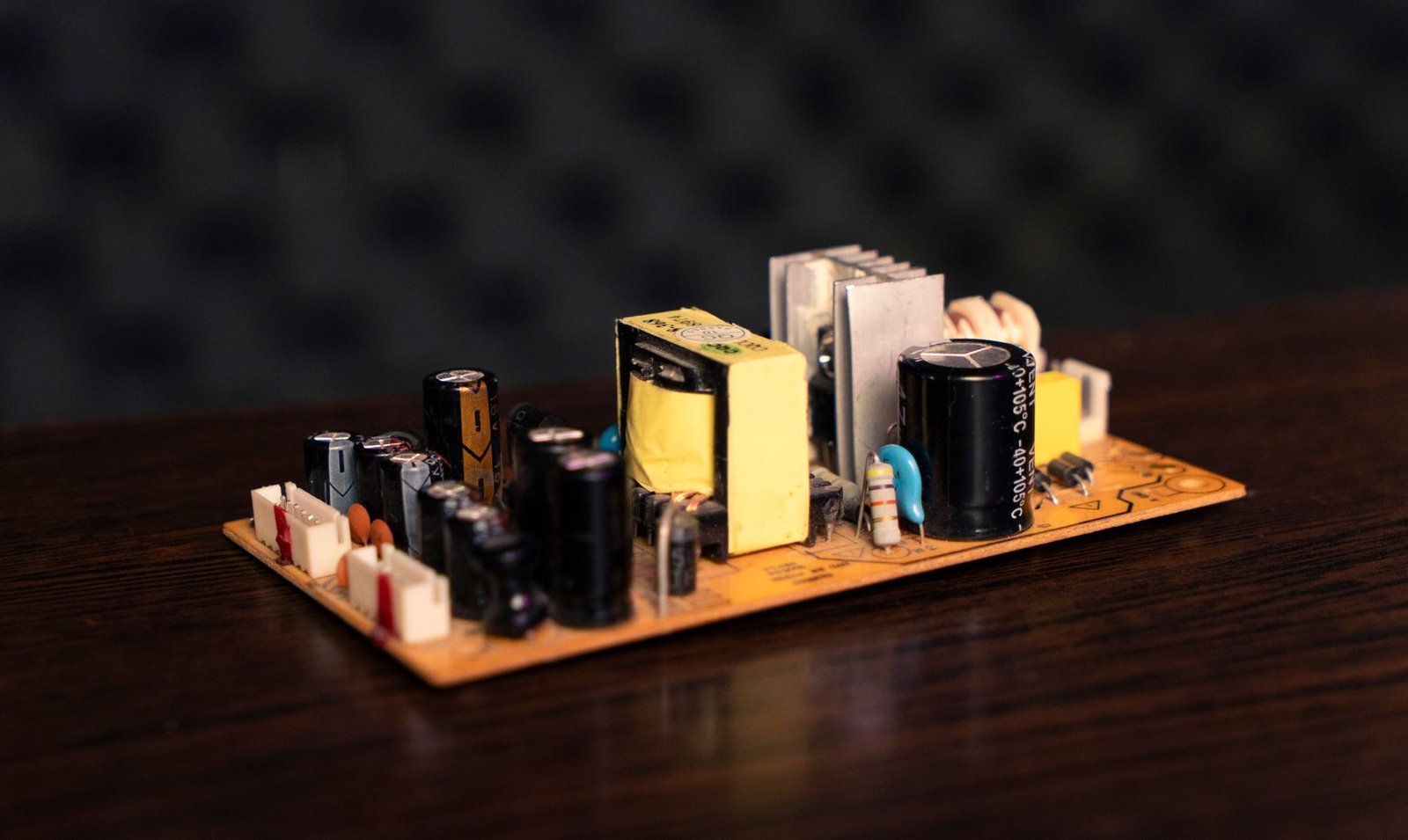
The datasheet headline rarely tells the whole story. Efficiency should be read at the intended input voltage, load, and ambient temperature. Output accuracy should include line and load regulation rather than the factory set point alone. Ripple and noise limits only mean something when the measurement bandwidth and probe method are stated. An isolation-voltage figure is not a substitute for checking insulation system, creepage, clearance, and the safety standard that applies to the finished equipment.
Dynamic behavior deserves equal weight. PLC outputs, solenoids, radios, motors, processors, and capacitive loads can change current abruptly. A supply with adequate steady-state wattage may still allow the bus to dip below an undervoltage threshold. The practical questions are how far the output moves, how quickly it recovers, and whether protection enters hiccup or latch-off during the event.
How power quality becomes a system problem
Poor output regulation can disturb sensors and analog front ends. Excess switching noise can appear as measurement jitter or communication errors. Weak transient response can cause resets that are difficult to reproduce on a bench. High internal temperature accelerates capacitor aging and reduces component margin. These failures are often blamed on the controller because that is where the symptom appears.
Protection behavior also matters. Overcurrent limiting, short-circuit response, overvoltage protection, thermal shutdown, and input undervoltage lockout should suit the load. Foldback may protect wiring but prevent a high-capacitance load from starting. Hiccup protection reduces fault heating but can make troubleshooting look like an unstable controller. The protection curve is part of the application design, not a box to tick.
Power modules trade custom design effort for integration discipline
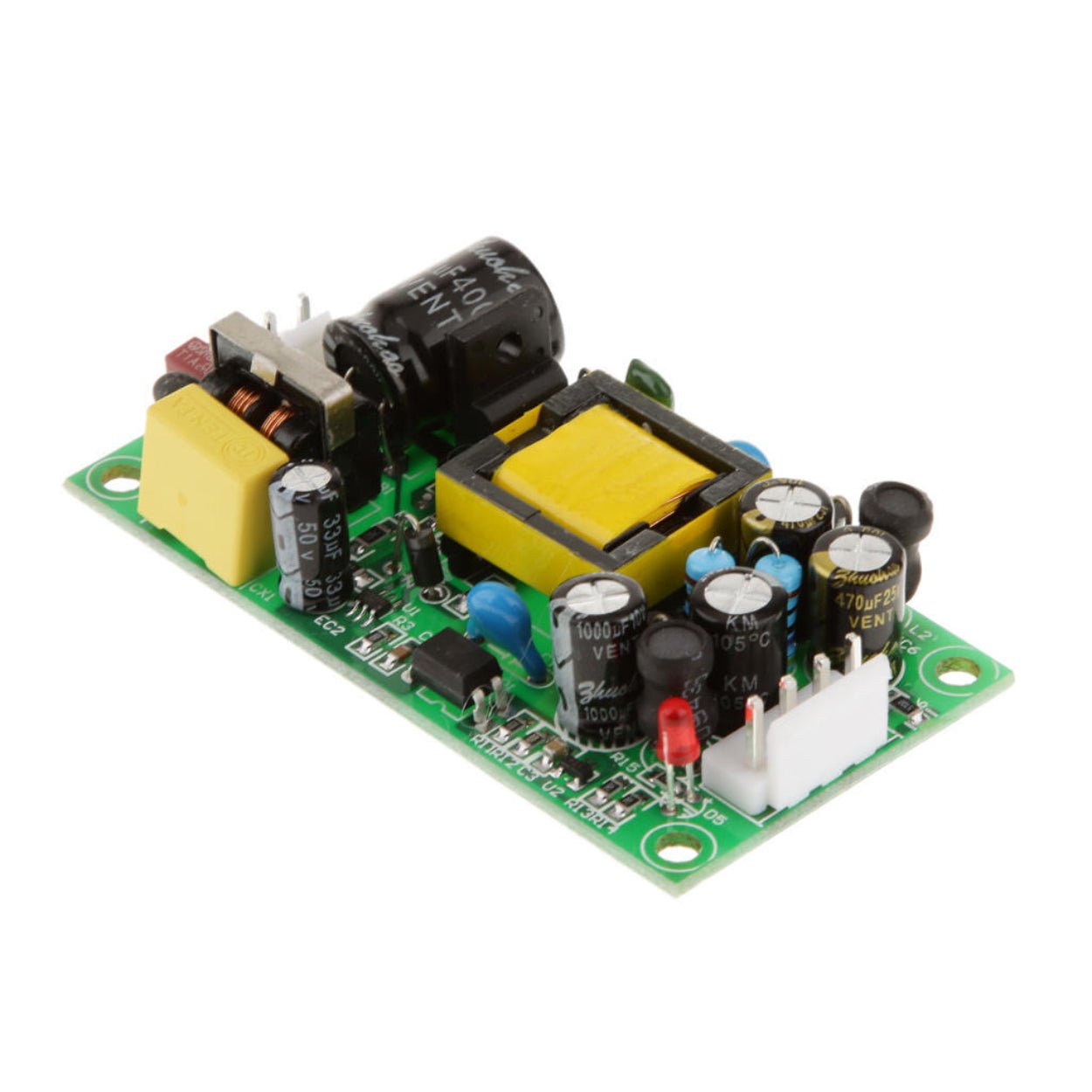
A power module packages a tested conversion function so the equipment designer does not need to build the entire converter from discrete components. Modules range from low-power isolated DC/DC devices to high-current bricks and PCB-mount AC/DC units. Many include control, protection, magnetics, and factory testing in one assembly.
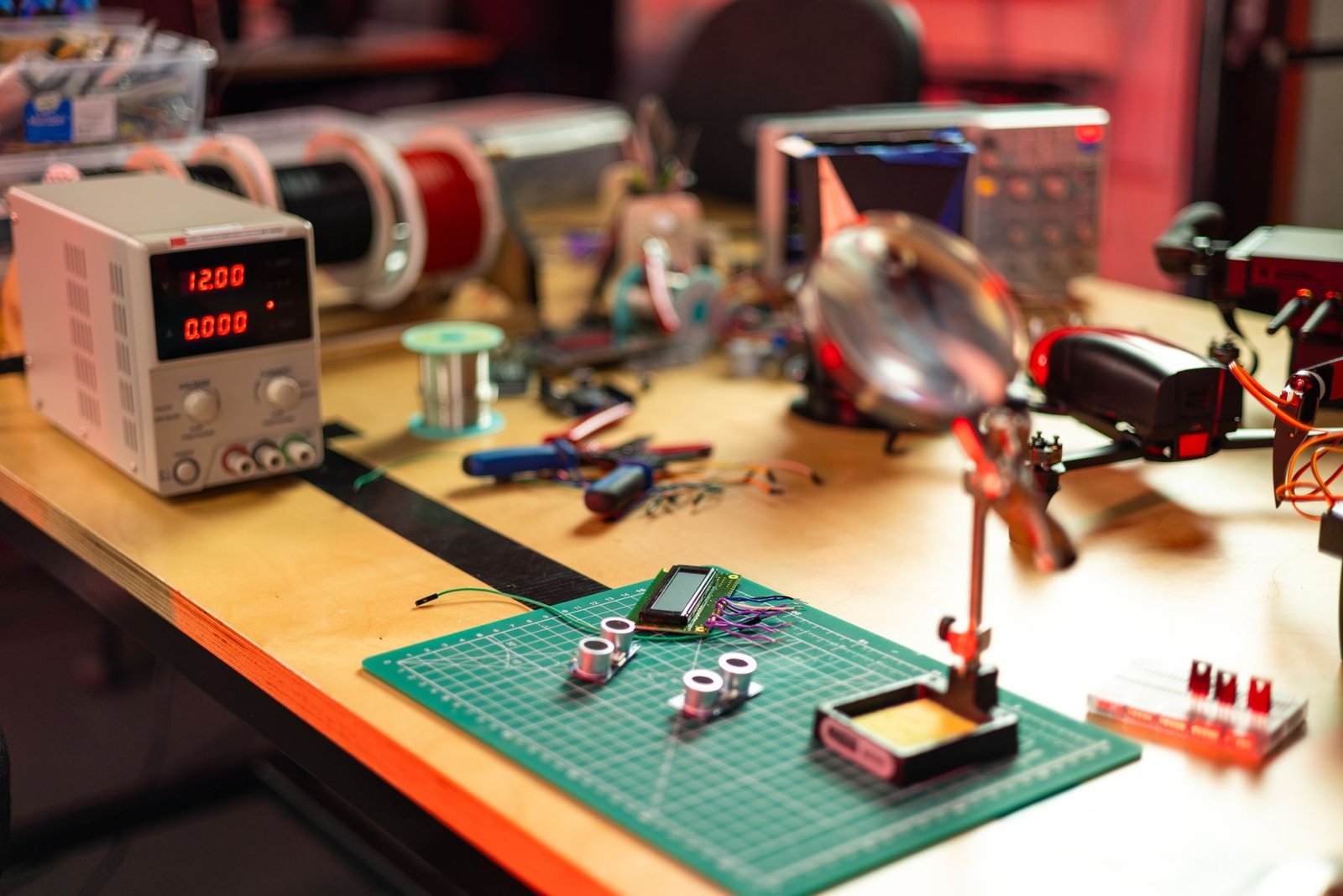
The business case is straightforward when engineering time, qualification effort, and schedule risk cost more than the module premium. A proven module can shorten the path to a working prototype and simplify product variants. It can also make field replacement easier when the mechanical design treats it as a serviceable unit.
The integration work does not disappear. PCB-mount modules may need external input capacitors, output capacitors, fusing, common-mode filtering, or hold-up capacitance. Layout recommendations are usually part of the electrical specification. Thermal derating curves assume stated airflow and board conditions; they should not be read as decorative footnotes.
| Integration check | Why it matters | Evidence to request |
|---|---|---|
| Input range and transient limits | A nominal 24 V bus may include cranking dips, inductive spikes, and long-cable drop | Absolute maximum ratings, surge test conditions, recommended input network |
| Load profile and startup | Pulsed or capacitive loads can trigger current limit even below rated average power | Startup plots, current-limit curve, allowable capacitance, transient response data |
| Thermal path | Small modules often depend on PCB copper, baseplate contact, or forced air | Derating curve, thermal resistance, case-temperature limit, measurement point |
| Isolation and compliance | Basic, reinforced, or functional isolation serve different safety goals | Certification report, working voltage, creepage and clearance, insulation rating |
| Control interface | Enable polarity, sequencing, trim range, and remote sense affect startup and regulation | Logic thresholds, timing diagrams, stability limits, remote-sense guidance |
A frequent purchasing error is to compare modules by rated watts alone. Two modules with the same headline rating may have different usable power at 60°C, different baseplate requirements, or different derating below minimum input. Compare them at the equipment's worst credible operating point.
LED power supplies are defined by the load architecture
LEDs are current-driven semiconductor loads, but an LED system is not automatically a single constant-current circuit. Many strips, signage modules, architectural fixtures, and distributed lighting products accept a regulated constant voltage. Their local resistors or electronic current regulators then control current in each branch.
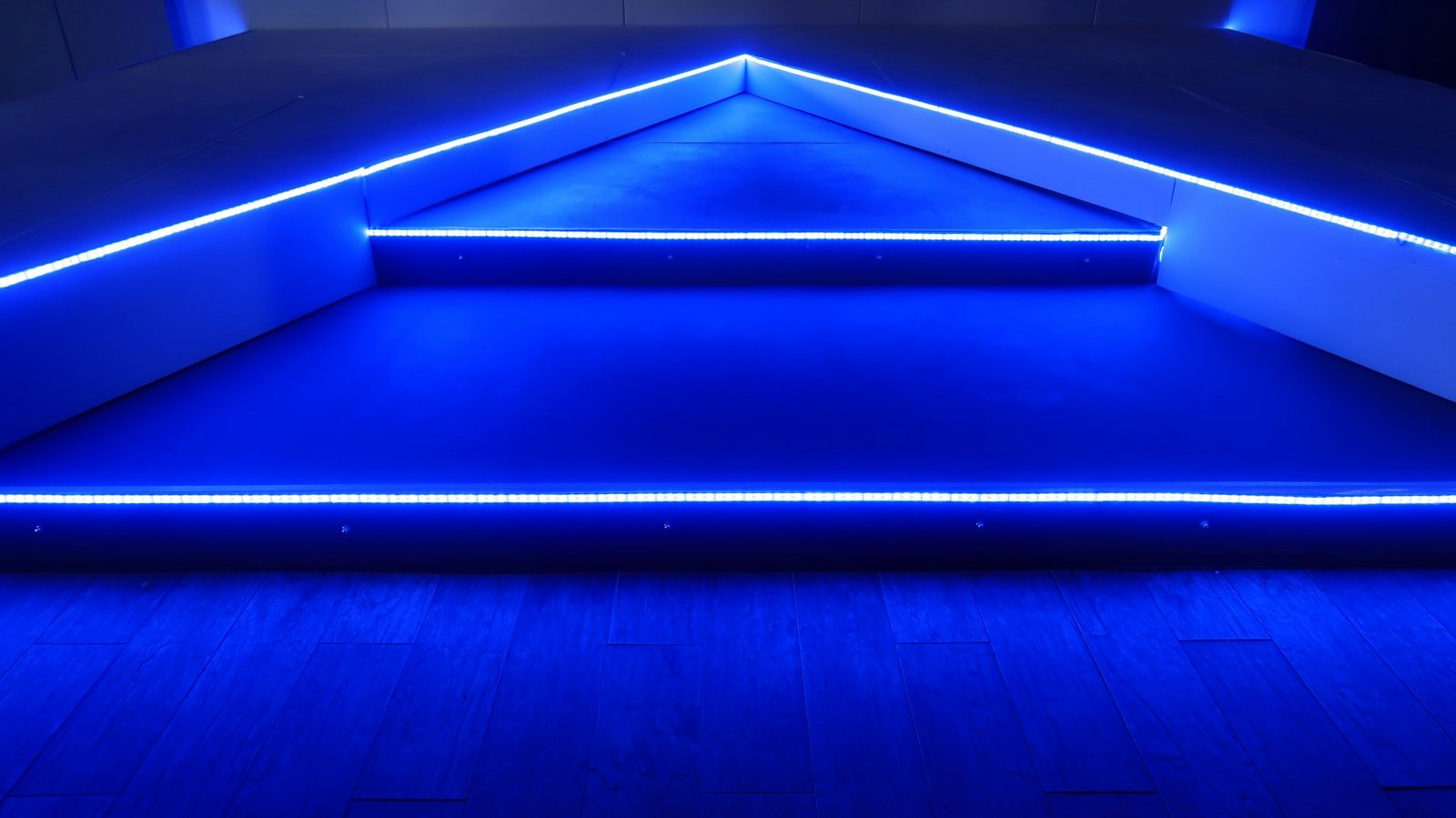
This explains why 12 V and 24 V constant-voltage supplies are common in commercial lighting, with 36 V or 48 V used where the product architecture and wiring favor higher bus voltage. Higher voltage can reduce current and cable loss for a given power, but it must match the rated input of the LED module and remain within the installation's safety and control constraints.
The phrase "LED driver" therefore needs clarification during procurement. Does it mean a constant-current output connected directly to an LED string, or a constant-voltage source feeding LED modules that already include current control? The wrong assumption can cause uneven brightness, overheating, nuisance protection, or early LED degradation.
Constant voltage still requires current management
A bare LED connected to a voltage source is not a controlled load. Forward voltage varies with temperature and device tolerance. Current can rise sharply for a small voltage change. Constant-voltage systems work because the LED strip or module includes a defined current-limiting method.
For low-power strips, that method is often a resistor in each segment. It is inexpensive and easy to cut into standard lengths, although efficiency and current consistency are limited. For higher-power or more demanding installations, local constant-current electronics provide better control over current and brightness.
| LED system architecture | Strengths | Engineering limits | Typical use |
|---|---|---|---|
| Constant-voltage supply plus resistor-limited modules | Simple wiring, low component cost, modular lengths | Brightness changes with bus drop; resistor loss; branch variation | Light strips, channel letters, compact signage |
| Constant-voltage bus plus local constant-current stages | Scalable distribution with better current control | More electronics at each load; converter interaction must be checked | Architectural lighting, distributed luminaires, industrial vision lighting |
| Central constant-current driver | Direct current regulation and predictable string current | Series voltage and insulation constraints; less flexible branching | Dedicated luminaires, high-power LED strings |

For constant-voltage installations, power should be calculated from the actual connected length or module count, then adjusted for cable loss, ambient temperature, enclosure conditions, and future additions. A sensible margin is application-specific; a fixed percentage cannot replace the manufacturer's derating curves. Long runs may need power injection at more than one point to keep the far end within voltage tolerance.
Outdoor systems add another layer. The enclosure rating must suit water and dust exposure, but ingress protection alone does not address surge immunity, condensation, corrosion, cable glands, or heat trapped inside a sealed housing. Dimming compatibility also needs proof. Phase-cut, 0-10 V, DALI, PWM, and resistance-based controls are not interchangeable.
Reliability is mostly a temperature and stress problem
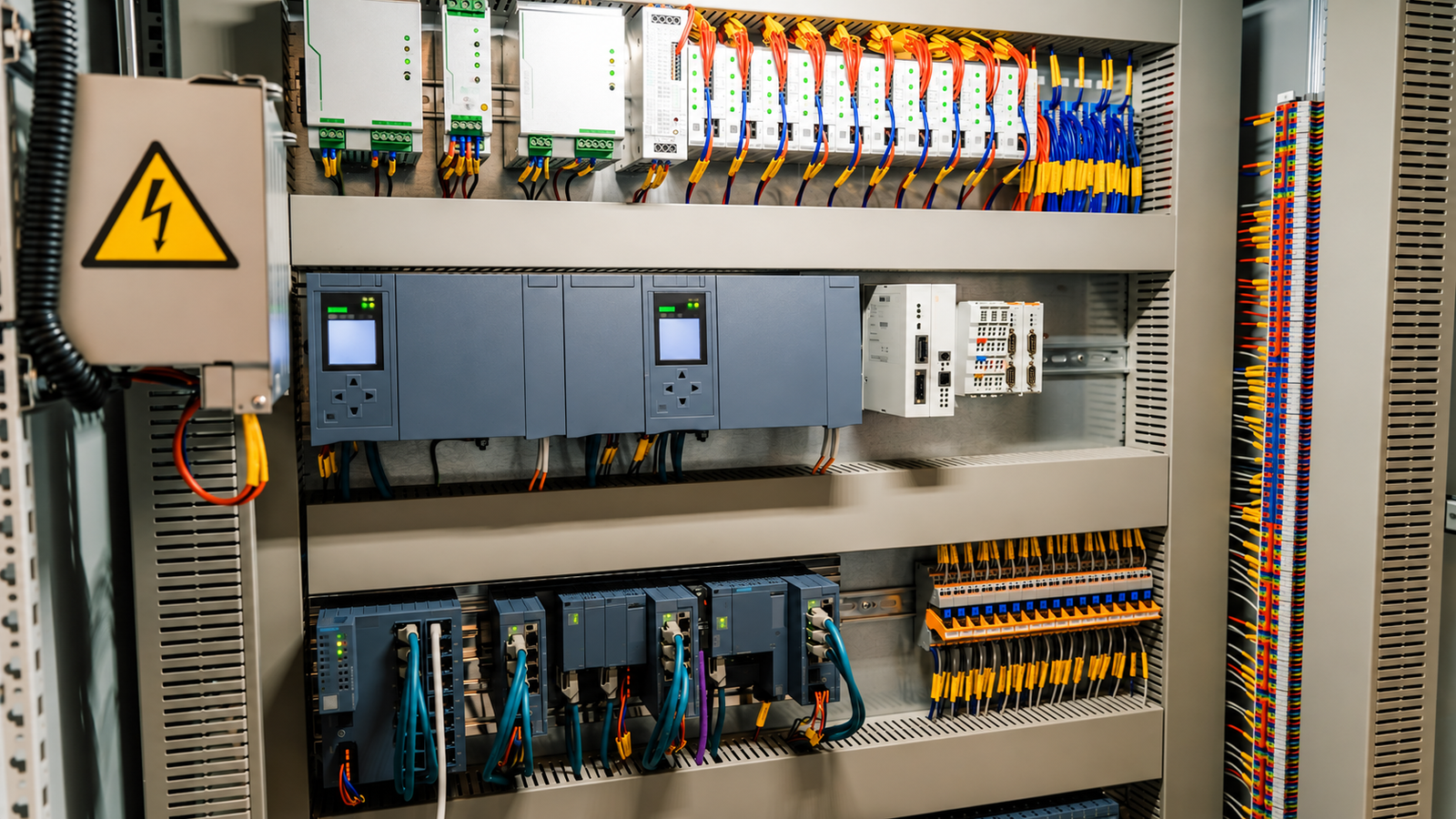
Efficiency affects more than the electricity bill. Every watt lost inside the supply becomes heat that must leave the enclosure. In a compact cabinet or sealed lighting housing, even a small efficiency difference can raise internal temperature enough to reduce capacitor life or push a semiconductor closer to its junction limit.
The rated ambient temperature is only one reference point. Engineers should consider local air temperature at the supply, orientation, spacing, altitude, blocked vents, nearby heat sources, and whether the equipment will operate continuously. Case temperature and component hot spots can be more informative than room temperature.
Electrolytic capacitors often receive attention because temperature strongly affects their service life, but they are not the only concern. Magnetics, optocouplers, solder joints, connectors, insulation materials, and power semiconductors all experience thermal and electrical stress. Reliability improves when the design keeps each of these within a realistic margin instead of relying on one nominal MTBF figure.
A selection workflow that prevents expensive surprises
Begin with the real input range, not the nominal label. Define the output rails, continuous and peak load, startup current, transient profile, isolation need, grounding scheme, ambient range, airflow, enclosure, expected service life, and applicable standards. Then compare candidate supplies at the worst operating corner.
Bench validation should reproduce the system rather than a convenient resistive load. Use the intended cable length and wire gauge. Include the actual capacitive or pulsed load. Test cold startup, hot operation, brownout, recovery, output short circuit, and rapid load changes. Measure ripple with a short ground connection and a stated bandwidth. Check emissions and immunity in the mechanical arrangement that will be used for compliance testing.
For a B2B purchase, request evidence that supports the claimed operating envelope: full datasheet, derating curves, safety certificates, EMC test information, lifetime assumptions, change-control policy, and traceability. If the supply is customized, define which electrical and mechanical parameters are controlled and how substitutions will be communicated.
The category name is only the beginning
Switching supplies provide the conversion architecture. Modules package that architecture for faster integration. LED supplies adapt it to a lighting load and installation environment. The categories overlap, so the useful comparison is not which name sounds more specialized. It is which product keeps the bus stable, temperatures controlled, protections predictable, and compliance work manageable in the finished equipment.
SIPURUI supports industrial power projects where AC/DC conversion, DC/DC rails, and constant-voltage LED systems must be matched to the load and operating environment. A useful supplier conversation starts with the application profile, not a wattage request.