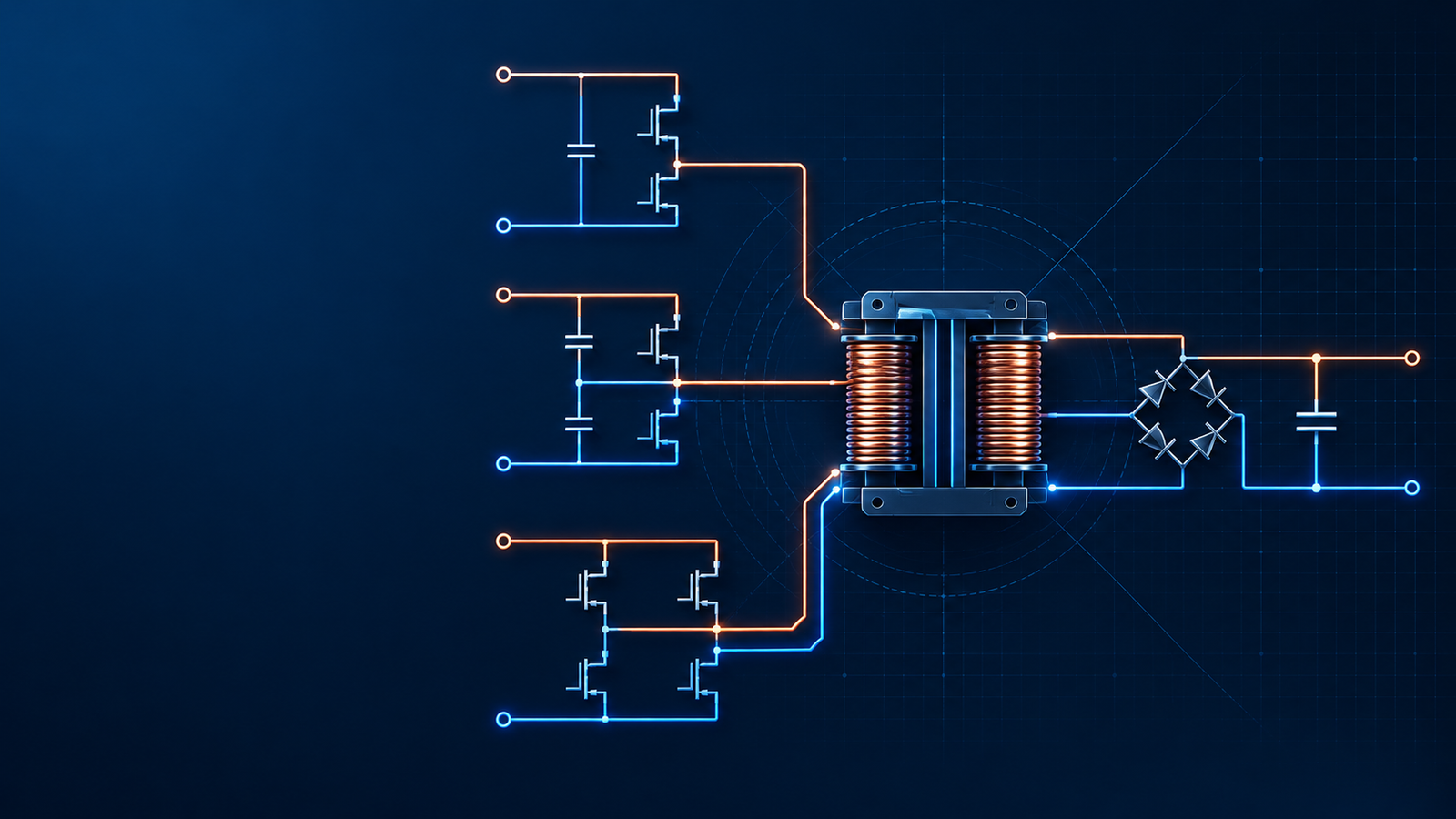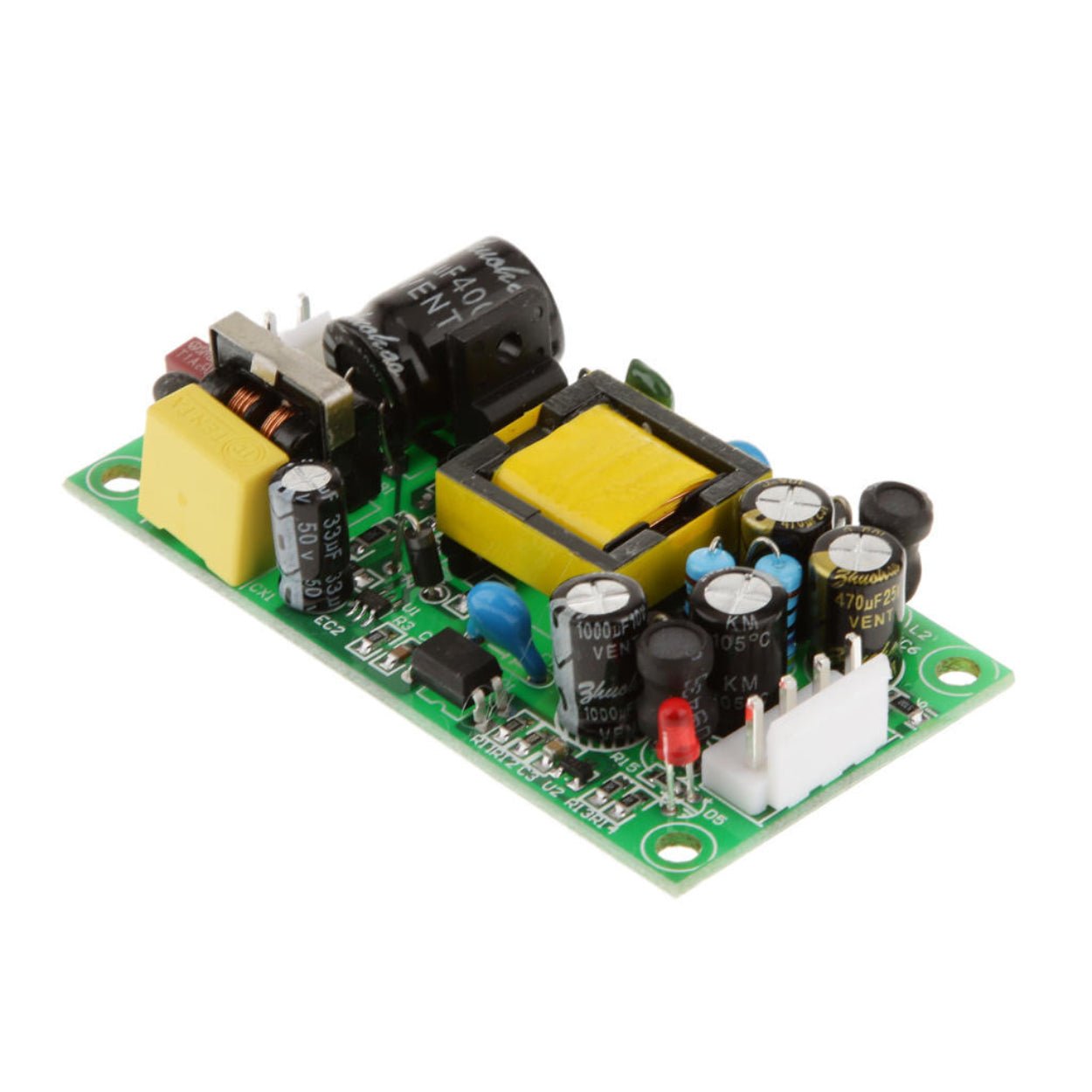
Choosing a switching power supply looks simple on paper. Match the output voltage, check the rated current, confirm the wattage, and the job should be done. In real projects, that is where many selection problems begin.
Overview
Choosing a switching power supply looks simple on paper. Match the output voltage, check the rated current, confirm the wattage, and the job should be done. In real projects, that is where many selection problems begin.
A 24 V load does not automatically work well with every 24 V supply. A 72 W machine does not become reliable just because the label says 75 W. A power adapter with the correct output may still fail because the DC plug is the wrong size or polarity. An enclosed industrial supply may run normally on a bench, then overheat inside a control cabinet at 50 degrees C.
This guide is written for engineers, automation integrators, equipment builders, and B2B buyers who need a practical way to specify switching power supplies. It covers both enclosed industrial power supplies and external adapters, because the selection traps are different even when the electrical ratings look similar.
Start With The Load, Not The Power Supply Label
The first question is not "Which power supply is available?" It is "What does the load actually need during start-up, steady operation, standby, and fault conditions?"
Output voltage must match the rated voltage of the load. For a PLC, relay module, sensor, router, LED strip controller, or embedded controller, that normally means a constant-voltage supply such as 5 V, 12 V, 24 V, or 48 V DC. Some industrial supplies include a small voltage adjustment range, but that is for compensation and fine tuning. It should not be used to force a poorly matched supply into the job.
Power rating needs more care. A common industrial rule is to run the actual continuous load at about 60 percent to 80 percent of the rated power supply capacity. For 24-hour operation, high ambient temperature, poor ventilation, or equipment expected to last for years, 60 percent to 70 percent is often the safer design point.
For example, if the real continuous load is 72 W, a 100 W supply is usually a better choice than a 75 W supply that runs close to its limit. The extra margin reduces internal temperature, lowers stress on electrolytic capacitors, and gives the supply room to handle line fluctuation and aging. It also reduces the chance of audible noise, unstable start-up, nuisance shutdown, and early failure.
Do not treat all nameplate wattage as equal. Reputable power supply manufacturers publish continuous output ratings, derating curves, ripple limits, protection behavior, and safety approvals. Low-grade suppliers may advertise peak power as if it were continuous power, or quote ratings that only apply at low temperature with strong airflow.
| Load condition | Recommended selection approach | Why it matters |
|---|---|---|
| Normal continuous load | Use about 60% to 80% of rated PSU power | Keeps temperature and component stress under control |
| 24/7 industrial operation | Aim closer to 60% to 70% loading | Supports longer capacitor life and fewer heat-related failures |
| High ambient temperature | Apply the datasheet derating curve | Rated power at 25 degrees C may not apply at 50 degrees C |
| Motor, relay, solenoid, or capacitive load | Check peak and start-up current capability | The supply may enter protection before the load starts correctly |
| Standby or very light load | Confirm light-load stability and noise behavior | Some low-cost supplies buzz or show unstable output at low load |
Input Voltage: Check The Real Site Conditions
For many single-phase AC applications, a 100-240 V AC wide input range is the most flexible choice. It gives better tolerance for voltage fluctuation, unstable grids, old building wiring, temporary job sites, and overseas equipment deployment.
That said, "wide input" should still be checked against the actual site. If the equipment will be used where the line voltage drops heavily under load, confirm the minimum input voltage and any output derating at low input. Some supplies can start at low voltage but cannot deliver full rated power under those conditions.
Industrial projects also need clear separation between single-phase AC input, three-phase AC input, and DC input. A three-phase industrial power supply is not interchangeable with a single-phase enclosed supply. A DC-input converter is a different product class again. Procurement teams should include the input type and nominal site voltage in the purchasing specification, not only the output voltage and wattage.
Constant Voltage And Constant Current Are Not Interchangeable
Most automation and equipment electronics need constant voltage. In a constant-voltage supply, the output voltage stays regulated and the current changes according to the load. PLCs, sensors, communication devices, relays, controller boards, cameras, and many industrial modules fall into this category.
Constant-current supplies are different. They regulate current and allow voltage to vary within a specified range. They are used for applications such as LED chips, LED drivers, and some charging circuits. A constant-current LED driver should not be used as a general-purpose 12 V or 24 V power supply. The load may be damaged, or the supply may operate outside its intended control range.
Some supplies provide CV/CC automatic transition. That can be useful, but the datasheet must be read carefully. The buyer should confirm the operating mode under normal load, overload, start-up, and short-circuit conditions.
| Power supply type | Typical loads | Selection focus | Common mistake |
|---|---|---|---|
| Constant-voltage enclosed PSU | PLCs, sensors, relays, routers, controllers | Voltage accuracy, power margin, protection, cooling, EMC | Selecting only by voltage and current label |
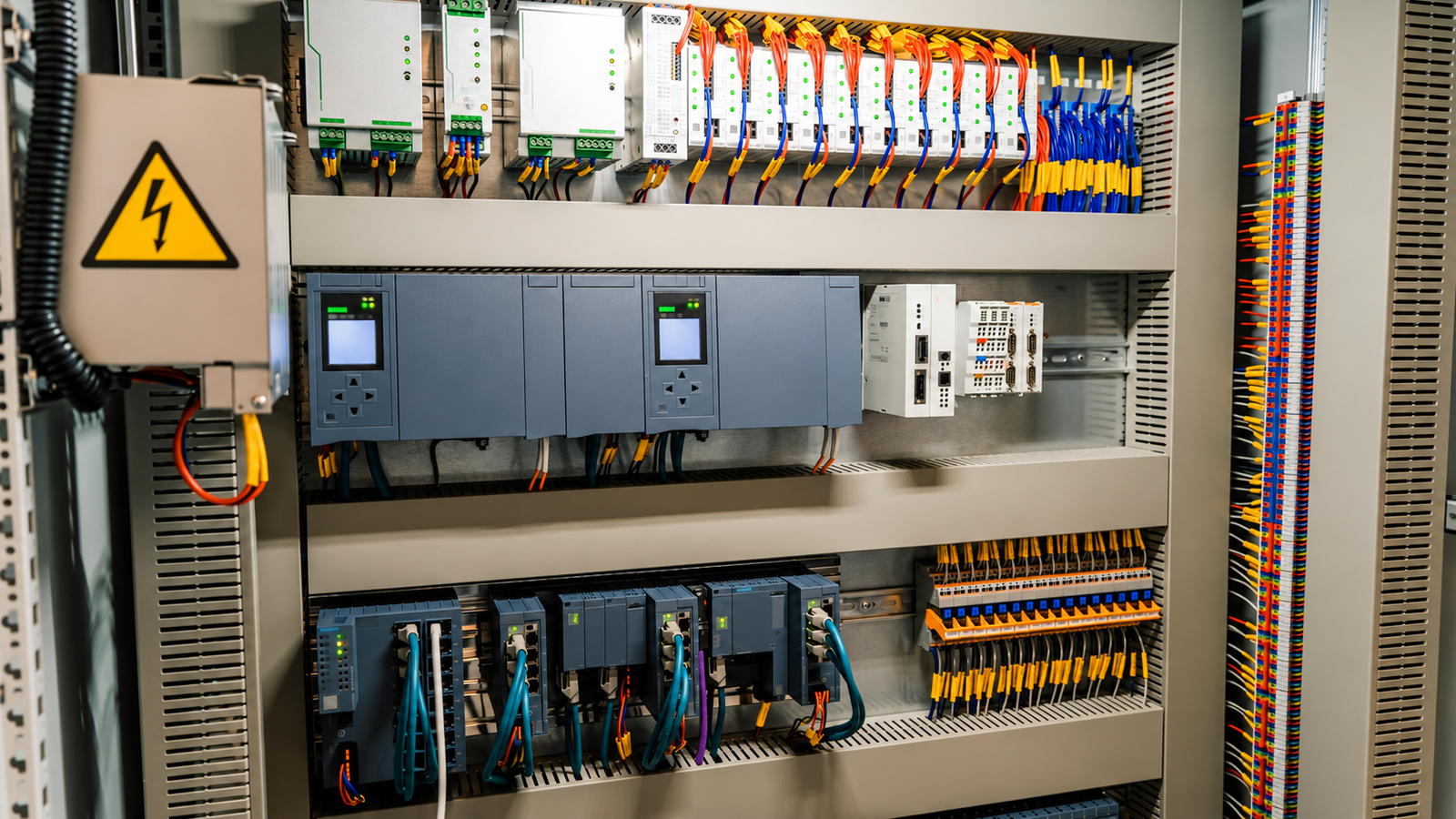
| DIN rail industrial PSU | Control cabinets, machine automation, distributed I/O | Rail fit, cabinet temperature, terminal access, redundancy options | Ignoring derating inside a warm enclosure |
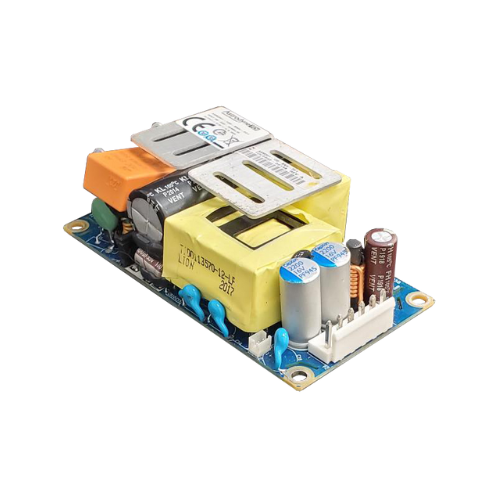
| Open-frame AC-DC supply | Built-in equipment, OEM products | Mechanical clearance, insulation, airflow, safety enclosure | Using it without proper touch protection or airflow |
| External power adapter | Desktop devices, small equipment, test instruments | Plug type, polarity, cable length, safety approvals | Correct voltage but wrong DC barrel size or polarity |
| Constant-current LED driver | LED chips, LED modules, lighting systems | Output current range, voltage compliance, dimming method | Treating it like a standard CV power supply |
Ripple, Noise, And Sensitive Loads
Ripple and switching noise are normal in switching power supplies, but the level varies widely. For ordinary relays, indicator lamps, and many digital loads, moderate ripple is usually acceptable. For precision analog circuits, data acquisition boards, cameras, hard drives, RF circuits, and measurement equipment, ripple and noise can become a real reliability issue.
Datasheets usually state ripple and noise in mVpp, often measured with a defined bandwidth and test setup. A buyer should avoid comparing numbers without checking measurement conditions. A supply may look good in a simple specification table, yet perform poorly when cable length, grounding, load transients, or nearby variable-frequency drives introduce additional noise.
In sensitive applications, selection should include ripple limits, output regulation, transient response, and grounding strategy. Sometimes the right answer is a better power supply. Sometimes it is local filtering, shorter output wiring, proper shielding, or separating noisy loads from clean control electronics.
Protection Functions: Look At The Behavior, Not Just The Acronyms
Protection features are essential, but the acronym alone does not tell the whole story. A good selection review should check both the protection type and the recovery behavior.
Over-voltage protection helps prevent abnormal output voltage from damaging downstream electronics. Over-current protection limits current during overload. Short-circuit protection prevents catastrophic failure when the output is accidentally shorted. Over-temperature protection reduces output or shuts the supply down when internal temperature becomes unsafe.
The detail that matters in field service is how the supply recovers. Some supplies use hiccup mode and automatically restart after the fault is removed. Others latch off and require AC power to be cycled. In automation equipment, automatic short-circuit recovery is often preferred because a temporary wiring fault or load fault does not require a technician to open the cabinet and restart the supply.
Protection behavior should match the risk of the machine. A supply feeding a critical control circuit, safety-related interface, or remote equipment cabinet deserves a closer review than a supply feeding indicator lights.
Temperature, Derating, And Cooling
The rated output power is often specified at 25 degrees C or under defined cooling conditions. Inside real equipment, the power supply may sit next to drives, contactors, PLCs, relays, heaters, or sealed enclosures. Cabinet temperature can easily reach 40 degrees C to 60 degrees C.
At elevated temperature, many supplies must be derated. That means a 100 W supply may not be allowed to deliver 100 W continuously at 50 degrees C. The derating curve is not a footnote. It is part of the rating.
Cooling method also changes selection. Fan-cooled supplies can provide more power in a compact size, but fans add noise, wear, dust sensitivity, and maintenance risk. Fanless supplies avoid those issues, but they need more conservative loading, enough free space, and proper orientation for natural convection.
For dusty, humid, outdoor, or washdown environments, the enclosure rating matters. A typical open or enclosed industrial supply for an indoor cabinet should not be installed directly outdoors. If moisture, conductive dust, oil mist, or condensation is expected, the system may need a higher IP-rated enclosure, conformal coating, or a different power supply format.
Enclosed Industrial Supply Vs External Adapter
Enclosed industrial supplies and external adapters are both switching power supplies, but they solve different problems.
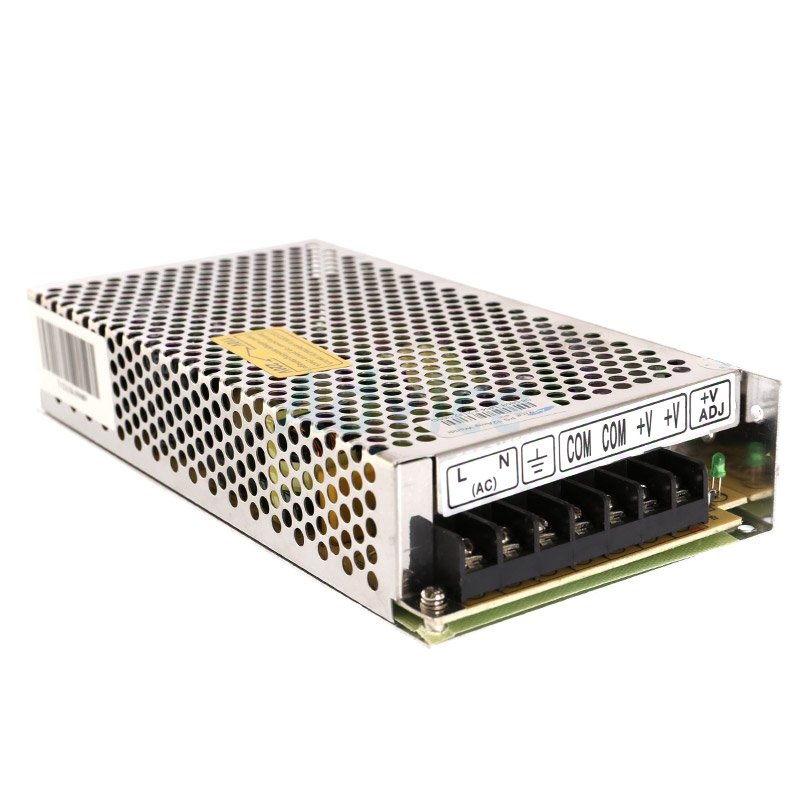
An enclosed industrial supply is usually mounted inside equipment, on a panel, or on a DIN rail. The selection focus includes screw or spring terminals, wire size, grounding, ventilation, touch protection, mounting orientation, and service access. In a control cabinet, the installer also needs to think about cable routing, separation from high-noise devices, and thermal spacing.
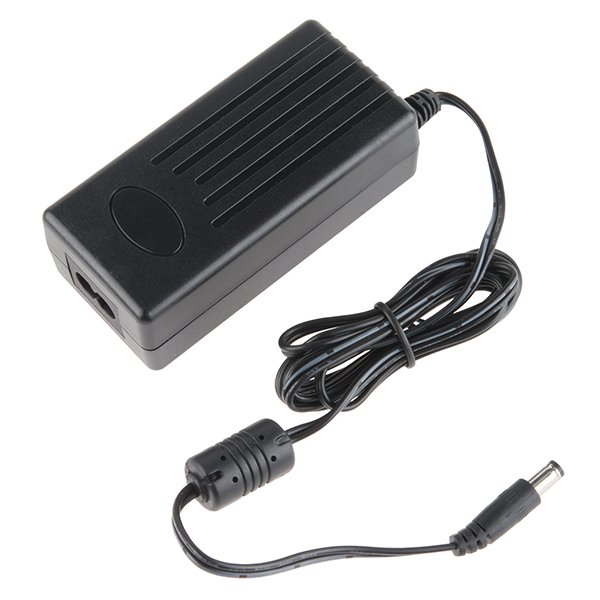
An external adapter is selected more like an equipment accessory. The output rating still matters, but so do the AC plug type, DC connector size, polarity, cable length, strain relief, desktop or wall-plug format, leakage current, and regional certification. Many adapter failures in purchasing are not electrical design mistakes. They are mechanical and compatibility mistakes.
For export equipment, the distinction matters even more. An adapter may need different AC plug versions for different markets. An industrial enclosed supply may instead be wired inside the machine with a terminal block and certified as part of the complete equipment system.
EMC: The Supply Can Be Both Victim And Noise Source
Electromagnetic compatibility is easy to overlook until the machine starts behaving unpredictably. A poor power supply can inject conducted or radiated noise into nearby circuits. It can also be too sensitive to noise from motors, contactors, servo drives, welding equipment, or variable-frequency drives.
For general consumer products, local safety and EMC approvals may be required, such as CCC in China or CE-related requirements for European markets. For industrial sites, the buyer should check conducted emissions, radiated emissions, immunity, surge, EFT, and ESD requirements according to the intended environment.
In practice, EMC is not only a certificate. It is also the installation: grounding, cable length, input filtering, output wiring, shield termination, cabinet layout, and separation between power and signal lines. A supply that passes a standard test can still cause problems if installed with poor wiring discipline.
Multi-Output Supplies Need Extra Review
Multi-output power supplies are useful when equipment needs several voltages, but they create selection traps. Do not look only at total wattage. Each output rail has its own current limit, regulation accuracy, and minimum load requirement.
Cross-load regulation is another issue. If one output is lightly loaded while another output is heavily loaded, the lightly loaded rail may drift outside the expected voltage range. This is more common in older or lower-cost multi-output designs, but the risk should still be checked.
When reliability matters and space allows, separate single-output supplies often give better flexibility and fault isolation. A dedicated 24 V supply for control circuits and a separate supply for auxiliary loads can be easier to specify, troubleshoot, and replace.
Start-Up Surge, Capacitive Loads, And Light-Load Operation
Some loads draw far more current at start-up than during normal operation. Motors, solenoids, relay banks, DC-DC converters, and large input capacitors can all create inrush or peak current. If the power supply cannot handle that condition, it may enter protection, pulse repeatedly, or fail to start.
Large capacitive loads are a common reason for start-up trouble. The power supply sees the output capacitor bank as a near-short for a short time. A supply with weak overload tolerance may hiccup before the system reaches normal voltage. Selection should include capacitive load capability, peak current tolerance, and start-up sequence.
Light-load behavior also deserves attention. Some low-cost supplies enter burst or skip-cycle operation at low load. That can create audible noise, higher ripple, or unstable output. For equipment that spends long periods in standby, such as monitoring devices or idle automation stations, verify stability across the expected load range.
Certification, Documentation, And Supplier Quality
Certification requirements depend on market and application. For civil products sold in China, CCC may be required. For export products, CE, UKCA, UL, FCC, CB, or other approvals may matter depending on region and product category. Industrial buyers should also check whether the certificate applies to the exact model and power rating, not only to a related series.
Documentation quality is a practical filter. A serious supplier should provide datasheets with input range, output regulation, ripple and noise, efficiency, protection behavior, derating, temperature range, mechanical drawings, terminal information, safety standards, EMC standards, and lifetime or MTBF information where relevant.
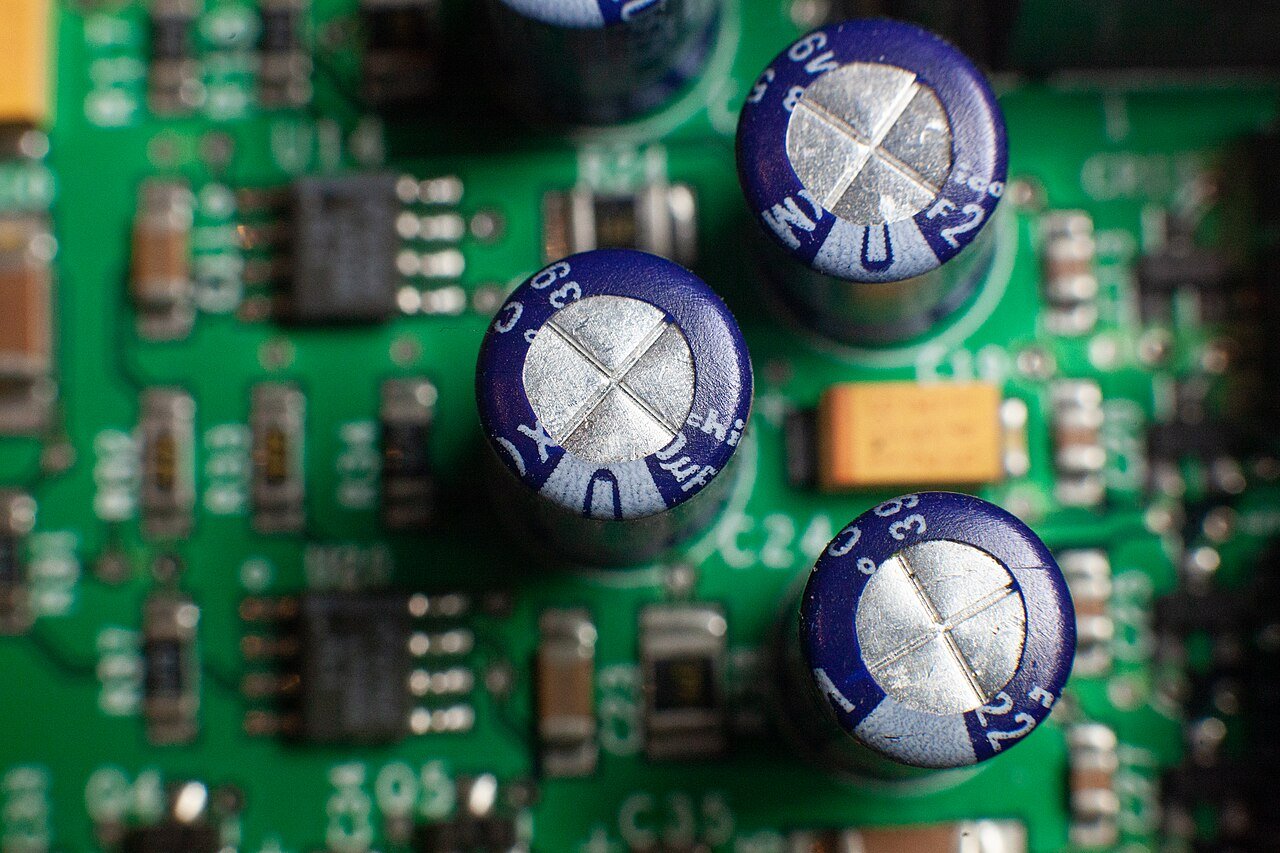
Electrolytic capacitors are one of the main lifetime-limiting components in many power supplies. Higher temperature shortens capacitor life. This is why power margin, cabinet ventilation, and derating are not theoretical concerns. They directly affect how long the equipment can run before the first field failure.
Avoid products with no datasheet, no manufacturer identity, unclear approval marks, or unrealistically high power claims for their size. In B2B equipment, the cost of a failed power supply is rarely just the price of the supply. It can include machine downtime, troubleshooting labor, damaged downstream electronics, warranty claims, and customer trust.
A Practical Selection Checklist
| Check item | What to confirm | Buyer or engineer note |
|---|---|---|
| Output voltage | Matches the load's rated voltage | Check adjustment range only for fine tuning |
| Rated power | Actual load stays within 60% to 80% of PSU rating | Use more margin for 24/7 or hot environments |
| Input | AC/DC type, single-phase or three-phase, voltage range | Confirm low-line performance at the real site |
| Output mode | CV or CC | Do not use LED constant-current drivers as general CV supplies |
| Protection | OVP, OCP, SCP, OTP and recovery mode | Decide whether hiccup auto-recovery or latch-off is preferred |
| Ripple and noise | mVpp rating and test condition | Critical for cameras, analog circuits, storage, and data acquisition |
| Temperature | Operating range and derating curve | Rated power may not apply inside a hot cabinet |
| Installation | DIN rail, screw mount, terminal type, wire size, connector | External adapters need plug size and polarity checks |
| EMC | Emissions and immunity standards | Industrial sites with drives and motors need stronger review |
| Load behavior | Inrush current, capacitive load, standby load | Prevent start-up hiccup, buzzing, and unstable output |
| Certification | Exact model approval for target market | Avoid unclear or decorative certification marks |
| Supplier support | Datasheet, drawings, lifecycle, replacement stability | Important for OEM purchasing and long-term equipment service |
Common Selection Mistakes
The most common mistake is selecting a power supply whose rated power barely equals the load. It may pass a short test, but long-term operation at full load increases temperature and shortens life.
Another mistake is assuming a multi-output supply can deliver all its rated power on one rail. In reality, each output has its own limit, and cross-load conditions may hurt voltage accuracy.
Many projects also focus on voltage and current while ignoring protection recovery. A short circuit that requires manual AC cycling can be a serious maintenance problem in remote or sealed equipment.
High-temperature derating is often missed. A supply chosen at 25 degrees C lab conditions may be overloaded inside a cabinet during summer operation.
Finally, constant-current LED supplies are sometimes used as if they were ordinary constant-voltage supplies. That is not a harmless substitution. It can damage the load or create unstable behavior.
Conclusion
A switching power supply should be selected as part of the whole electrical system, not as a simple voltage-and-wattage accessory. The right choice depends on load profile, input conditions, safety margin, ripple sensitivity, protection behavior, temperature, installation, EMC environment, certification, and supplier documentation.
For industrial equipment builders and automation buyers, a slightly more careful selection process can prevent many expensive field problems. SIPURUI supports enclosed switching power supplies and power adapter solutions for practical equipment applications, with model selection based on real load, installation, and operating conditions rather than nameplate numbers alone.
Buyer Checklist
- Define the real load profile, including start-up, steady operation, standby and fault conditions.
- Choose enough power margin for temperature, ventilation, derating and long-term operation.
- Confirm input voltage, protection behavior, ripple limits, EMC needs and certification requirements.
- Check mechanical fit, connector details, supplier documentation and exact model approvals before ordering.